
Fristaden Lab Blog
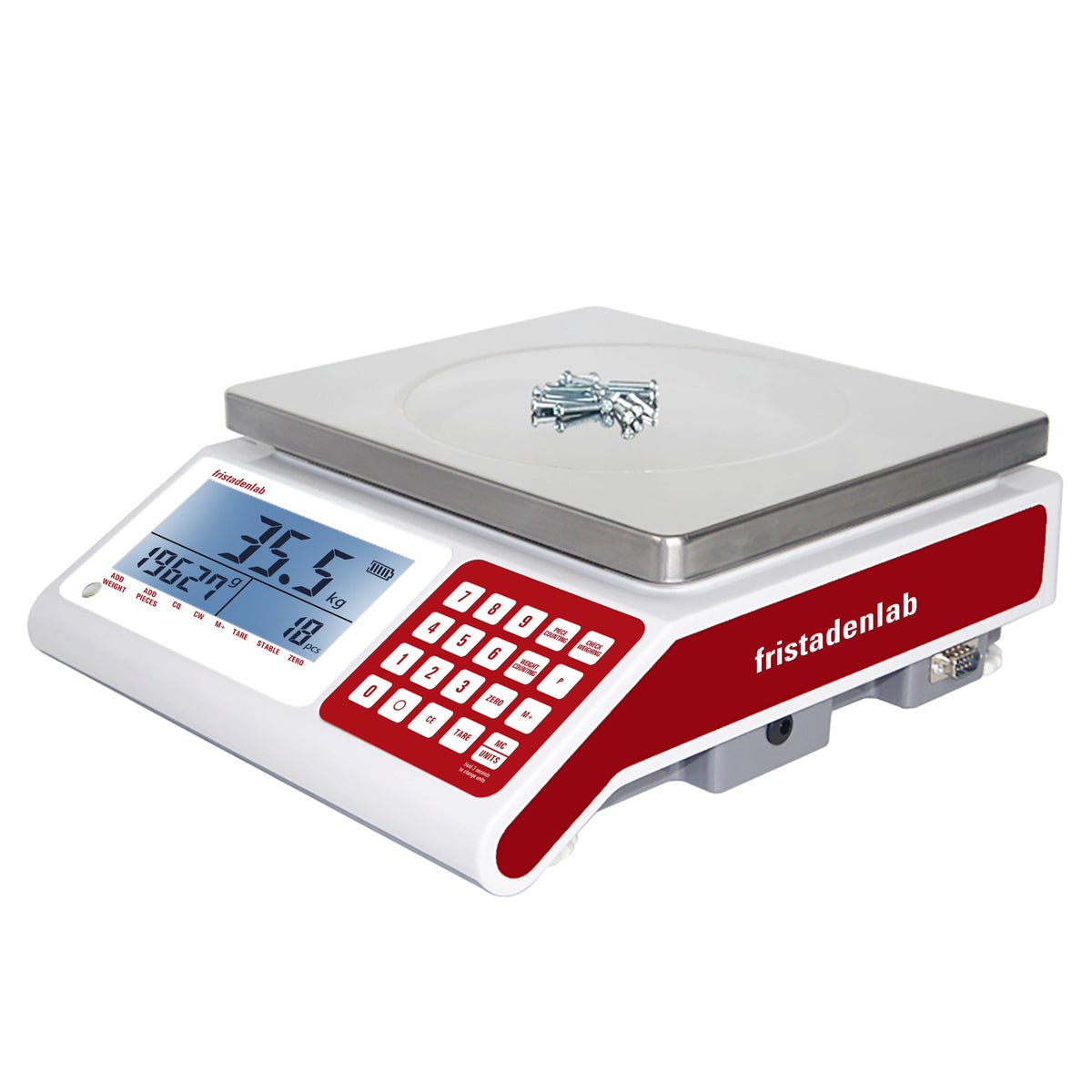
How to Use a Counting Scale Accurately (Step by Step)
How counting by weight works, how big your reference sample needs to be, and the simple habits that keep counts right, with worked examples you can apply to your own parts.
Read more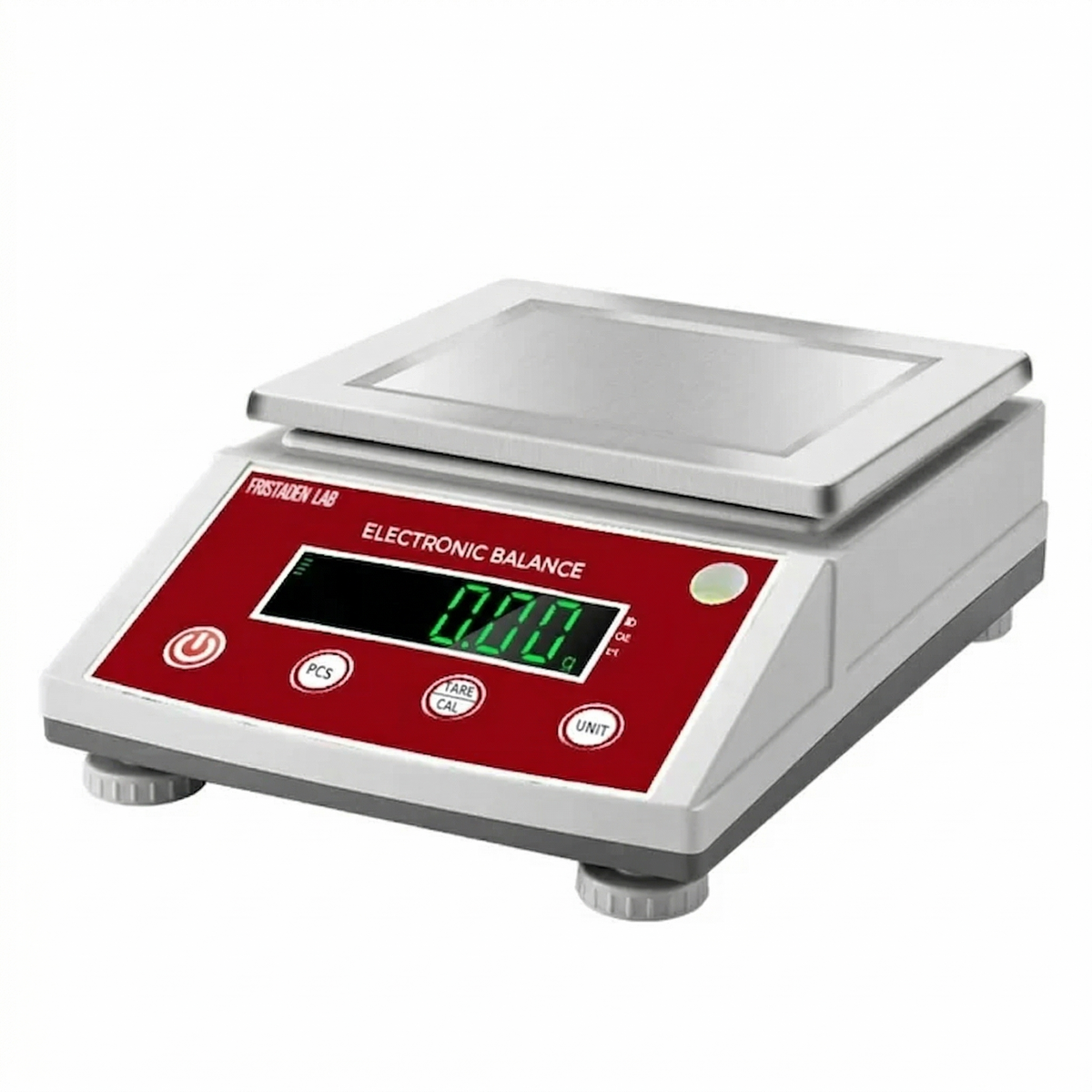
How to Calibrate a Lab Balance (Step by Step)
A practical routine for calibrating a lab balance: leveling, warm-up, choosing the right weight, span vs. linear calibration, and the quick checks that prove it worked.
Read more
How to Use a Hotplate Magnetic Stirrer (Step by Step)
A practical, step-by-step guide to using a hotplate magnetic stirrer: choosing a stir bar, avoiding decoupling, hitting the real solution temperature with a probe, and the safety mistakes that crac...
Read more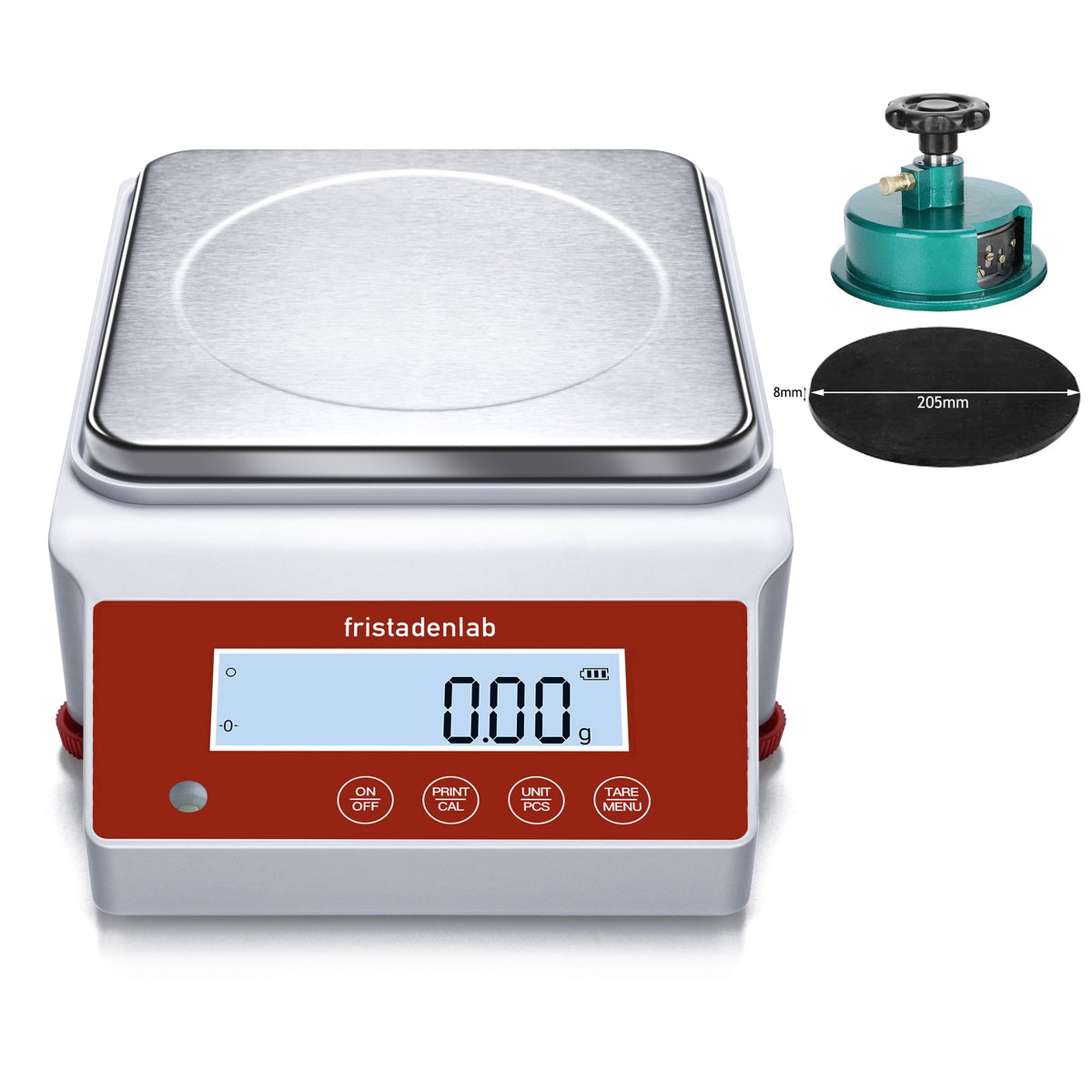
How to Measure Fabric GSM (Grams per Square Meter)
How to measure fabric weight in GSM with a round sample cutter and a 0.01 g balance: the formula, a step-by-step method and the mistakes that skew results.
Read moreHow to Set Up Vacuum Filtration (Büchner Funnel & Flask)
Step-by-step vacuum filtration setup with a Büchner funnel or fritted glass apparatus: parts, assembly, filter choice, safety and the mistakes that ruin a filtration.
Read moreHow to Calibrate a pH Meter (2- and 3-Point Calibration)
Step-by-step 2- and 3-point pH meter calibration: which buffers to use, how often to calibrate, and how to fix drifting or failed readings.
Read moreHow to Use a Separatory Funnel: Liquid-Liquid Extraction Step by Step
A separatory funnel separates two liquids that don't mix, usually a water-based layer and an organic solvent layer, so you can isolate a compound that prefers one of them. It's a core technique in ...
Read more
