Which Balance Do You Actually Need? A Simple Buying Guide
When you are looking for a high-accuracy scale for your business, hobby, or lab, you will constantly see two terms: Capacity and Readability. Before diving in, let's look at what those mean:
- Capacity: The maximum amount of weight the scale can safely hold. Think of it as the scale's weight limit.
- Readability: The smallest unit of weight the scale can display. If a scale has a readability of 0.01g, it means it can track changes as tiny as one-hundredth of a gram.
Now, Let's Clarify the Three Main Types
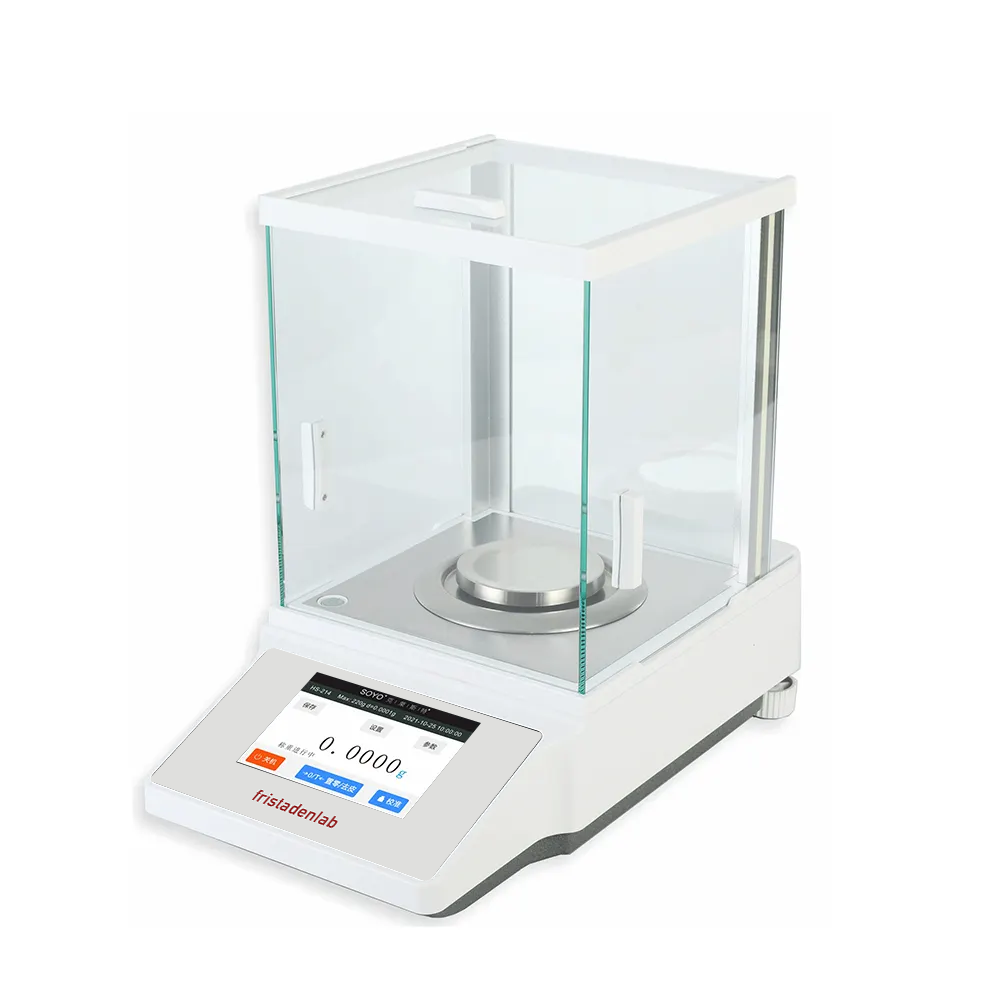
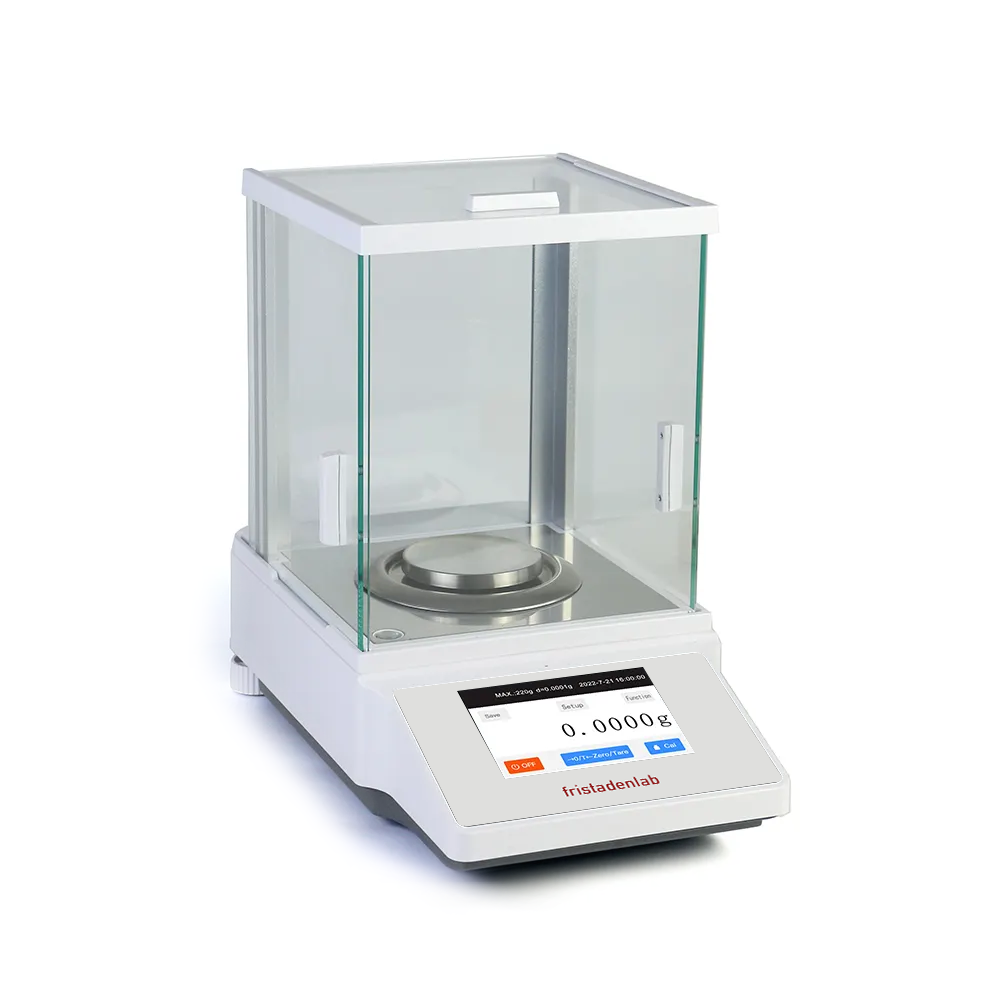
Analytical Balances measure to 0.0001g (that's one-tenth of a milligram — think a single grain of salt). They're the most precise balances available for everyday lab use, and they come with a draft shield (the enclosed chamber) to protect readings from air movement.
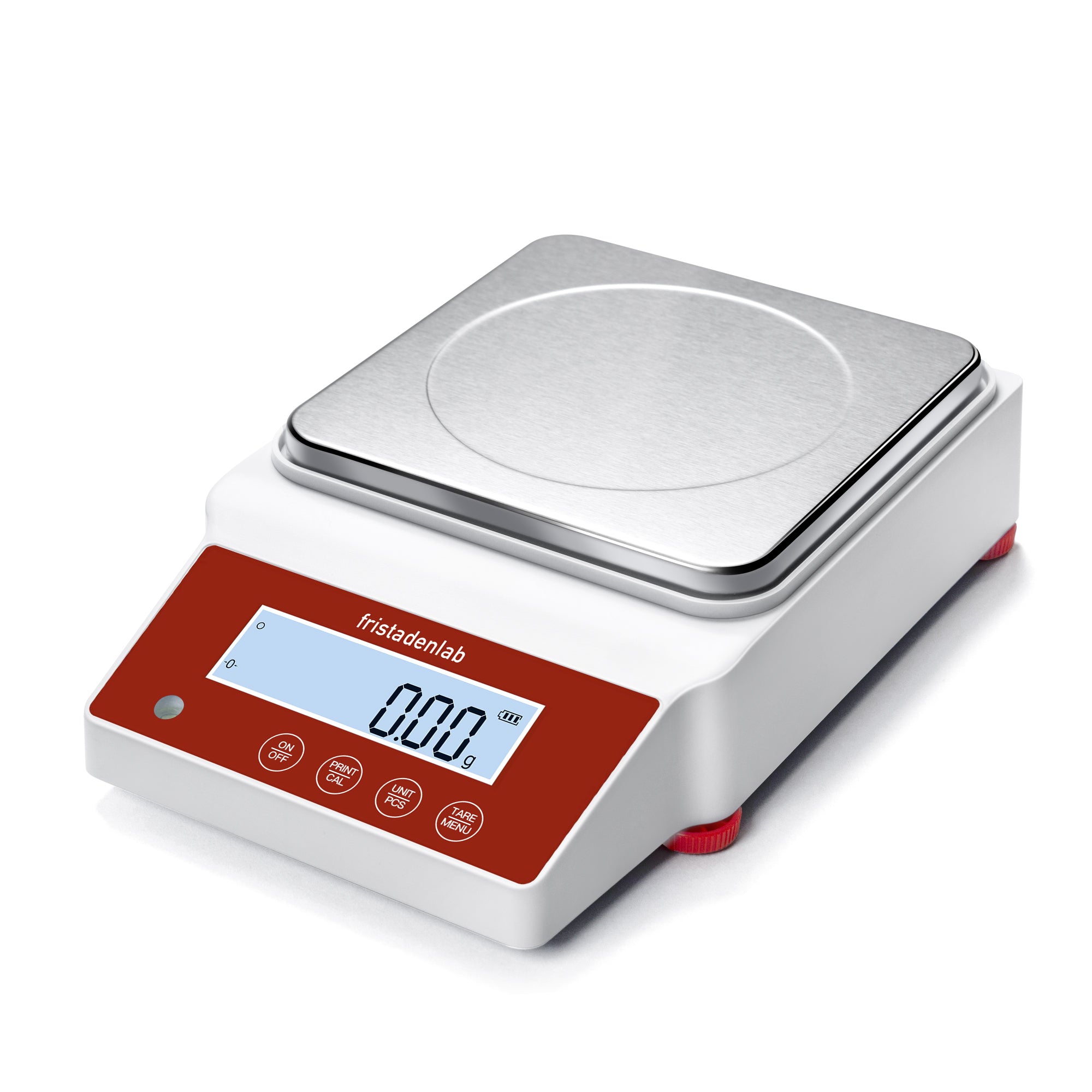
Precision Balances measure to 0.01g or 0.1g. They're less precise than analytical balances but handle heavier loads and are faster and more practical for everyday tasks like portioning, counting parts, or general weighing.
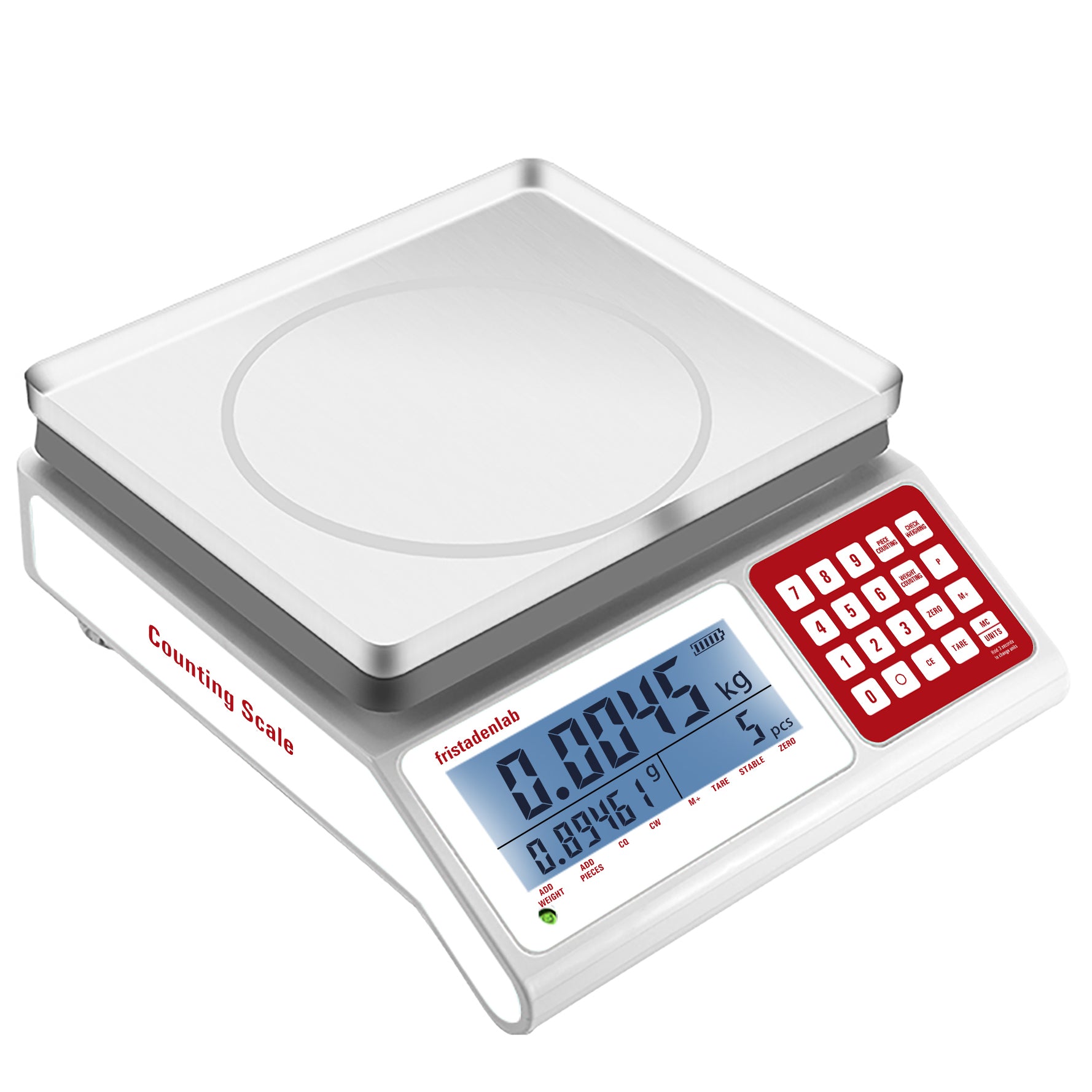
Counting Scales are a type of precision balance built specifically for counting identical parts by weight — great for inventory, kitting, or production environments.
The right choice comes down to: how precise do you need to be, and how much do you need to weigh at once?
| Scale Type | Typical Readability | Best For... | Key Feature |
|---|---|---|---|
| Analytical Balances | 0.0001g (0.1 mg) | Chemicals, pharmacy, micro-dosing | Hyper-precise, has a glass draft shield |
| Precision Balances | 0.01g to 0.1g | Cosmetics, jewelry, classrooms, liquids | High capacity mixed with great accuracy |
| Counting Scales | 0.5g | Inventory, hardware, bulk parts | Tells you how many pieces are on the scale |
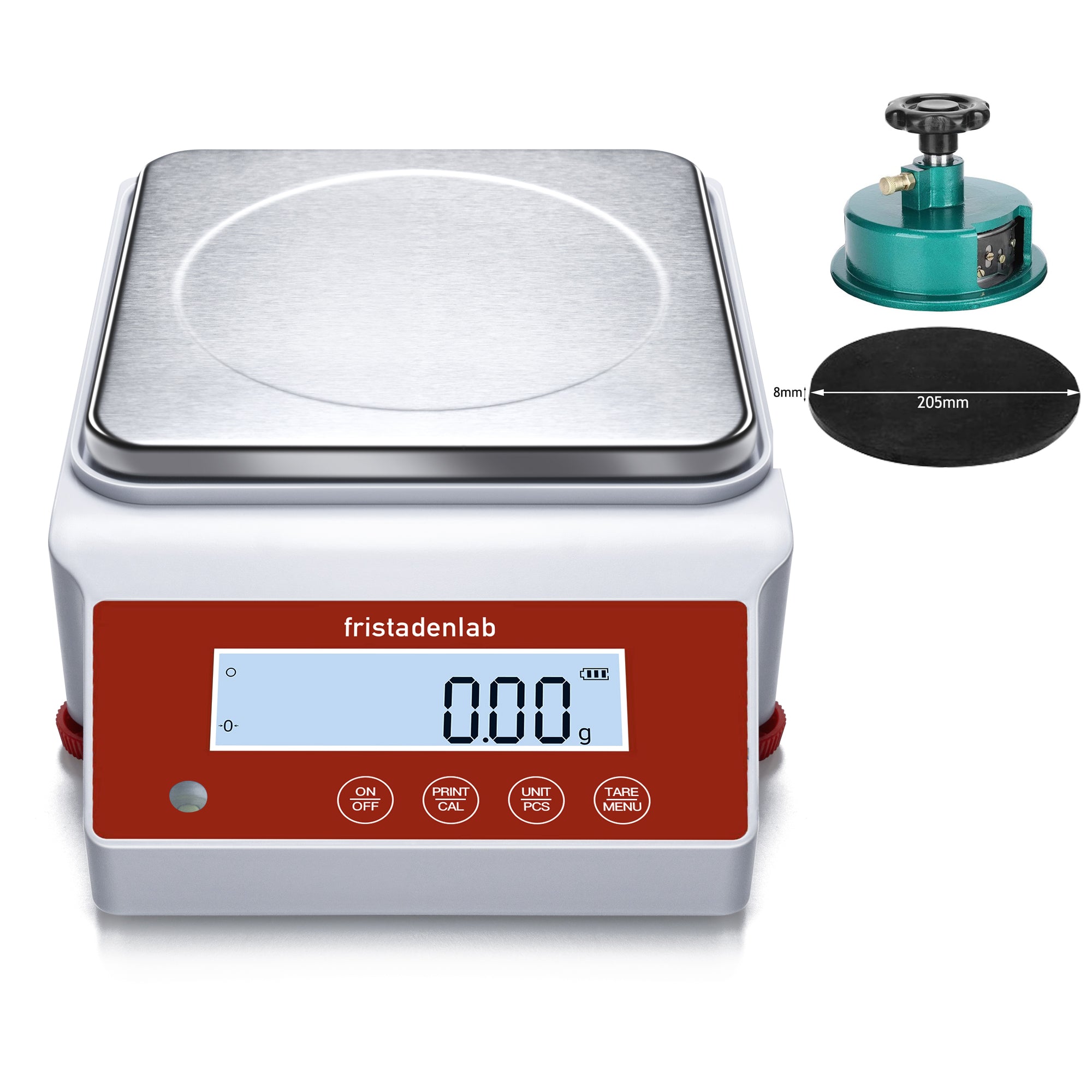
| Specialty Scales | 0.01g | Textiles, fabric manufacturing, density testing | Includes specific tools (like a GSM cutter) |
FRISTADEN LAB SCALES CATALOG
| Series | Capacity | Readability | Sensor | Cal. cert. | Best suited for | Key features |
|---|---|---|---|---|---|---|
| FA224NPRO Analytical balance | 210 g | 0.0001 g | Electromagnetic | Included | Highest precision · RS232 · Draft shield · Internal or external cal. | |
| Analytical Balance Internal or external cal. | 210 g | 0.0001 g | Electromagnetic | Included | Backlit LCD · RS232 · 100–240V | |
| Counting Scale 15 kg · 30 kg | 15–30 kg | 0.5 g | Load cell | Optional | Large pan (23×27.5 cm) · g, kg, oz, lb · Piece counting · ≤3 sec | |
| YP Series YP1002PRO · YP2002 · YP5002 | 1000–5000 g | 0.01 g | Load cell | Not included | 5" LCD touchscreen · 20+ units · User-defined unit · Print function | |
| HC Series 2 kg · 10 kg · 15 kg | 2–15 kg | 0.01–0.1 g | Load cell | Optional | Lightest precision series (3.9 lbs) · g, ct, kg, oz, lb, ozt · ≤5 sec | |
| HTP312 Series 1 kg · 2 kg · 3 kg · 10 kg | 1–10 kg | 0.01 g | Load cell | Varies | Lightest body (1.78 kg) · g, ct, oz, lb · RS232 on select models | |
| RD Series 1000 g · 3000 g | 1000–3000 g | 0.01 g | Load cell | Not included | LED display (high visibility) · Largest pan (195×195 mm) · RS232 | |
| Touchscreen Balance 2000 g | 2000 g | 0.01 g | Load cell | Not included | Density, Pricing & Textile modes · QWERTY keyboard · RS232 + USB | |
| Textile + GSM Cutter 2000 g | 2000 g | 0.01 g | Load cell | Not included | Bundled GSM cutter · Textile-specific units · 100–240V |
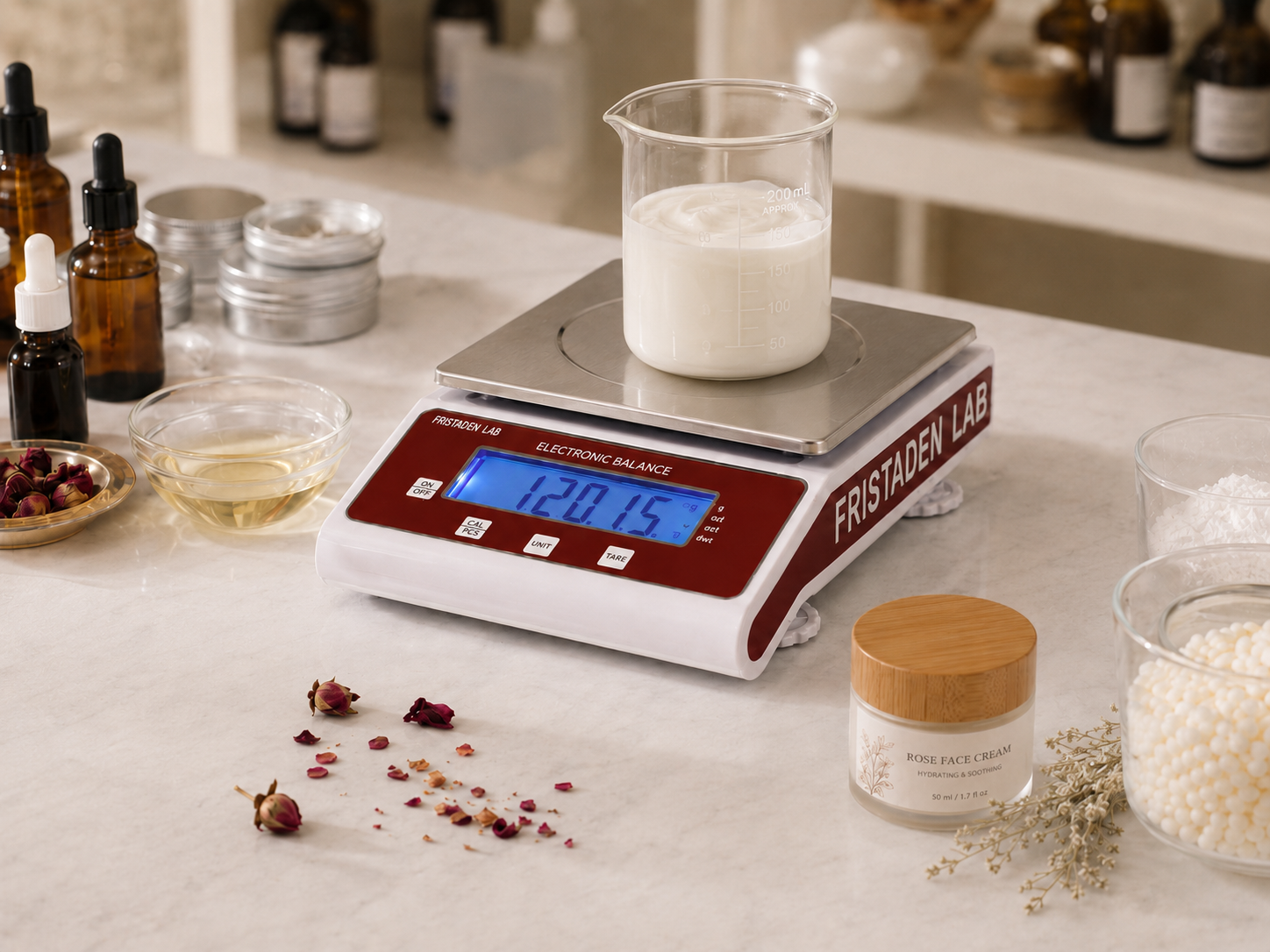
🧴 Cosmetic Formulators & DIY Beauty Makers
Making lotions, serums, lip balms, or skincare from scratch
You're measuring small amounts of active ingredients — some of which are effective (or unsafe) at fractions of a gram. This is where precision really matters.
What you need: An analytical balance (0.0001g readability) like the FA224NPRO or our Analytical Balance series. The small pan size is fine — you're rarely weighing more than 100–150g at a time.
Why internal calibration matters here: If you make products regularly, an auto-internal calibration model saves you time and ensures your readings are always accurate without needing to manually recalibrate.
💊 Home Supplement & Herbal Formulators
Encapsulating your own supplements, blending herbal powders, or making tinctures
Similar to cosmetic formulators — small amounts, high stakes. You need accuracy at the milligram level, especially when measuring potent botanicals.
What you need: An analytical balance (0.0001g) for active ingredients, or a precision balance (0.01g) like the YP1002PRO if you're measuring larger batch sizes.
🍞 Serious Home Bakers & Coffee Enthusiasts
Brewing specialty coffee, baking bread by weight, or scaling recipes precisely.
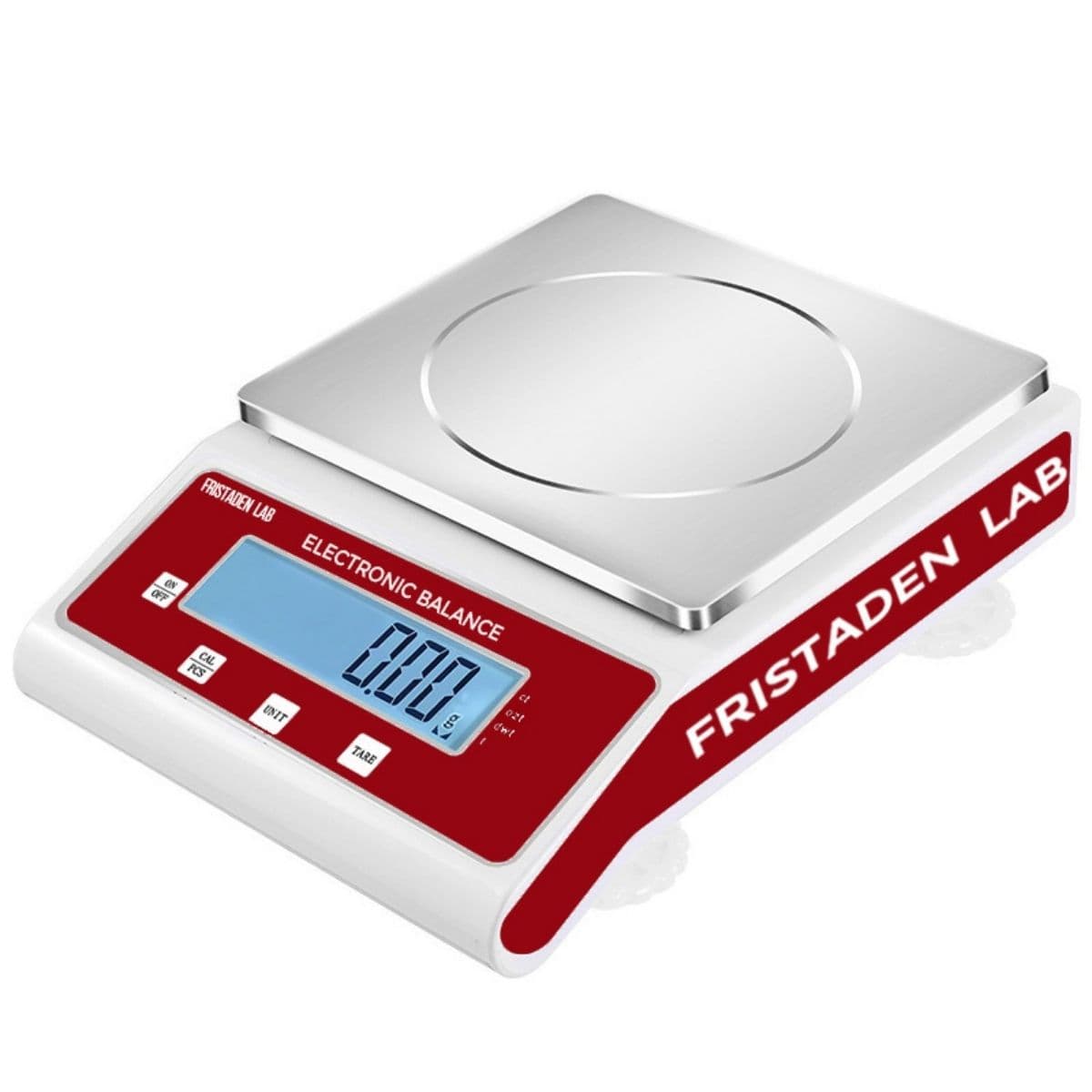
For coffee, you're likely weighing doses between 15–25g and want accuracy to 0.1g. For baking, you're working in the 100g–2000g range with 0.1–1g accuracy being plenty.
What you need: A precision balance in the 1000g–2000g range. The HC Precision Balance (2000g) or HTP312 (2000g) are ideal — compact, simple to use, no extra features to confuse things


🔬 Research Labs & University Students
Preparing solutions, calibrating reagents, running experiments that require documented accuracy
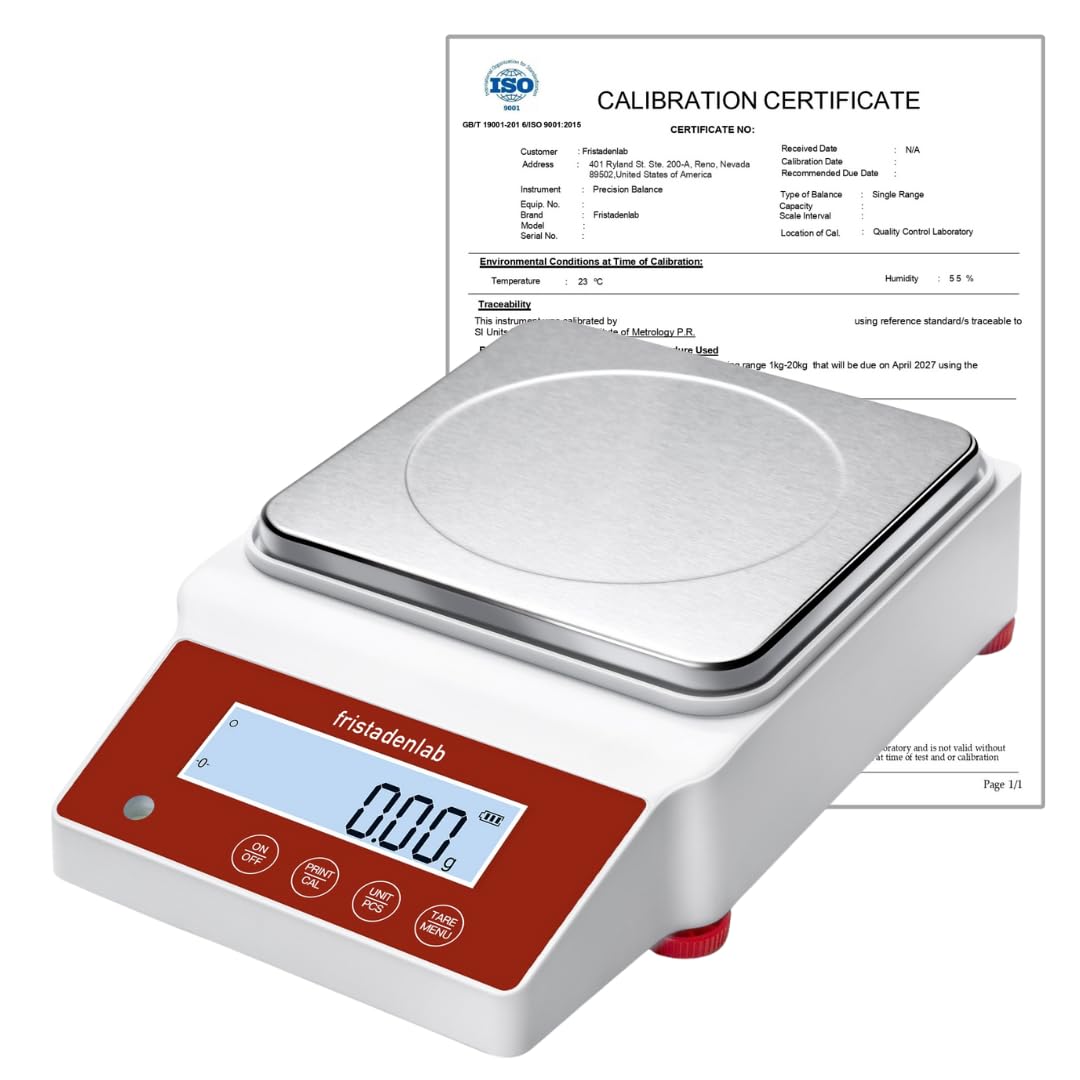
Accuracy and traceability are everything. You likely need a calibration certificate for audit or compliance purposes.
What you need: The FA224NPRO (internal calibration, comes with a calibration certificate) is the go-to here. The RS232 interface also lets you log data directly to a computer, which is useful for record-keeping. The HC Precision Balance (2000g) is also a versatile option.
🏭 Small Manufacturers & Production Lines
Kitting parts, checking product weights, managing inventory by count
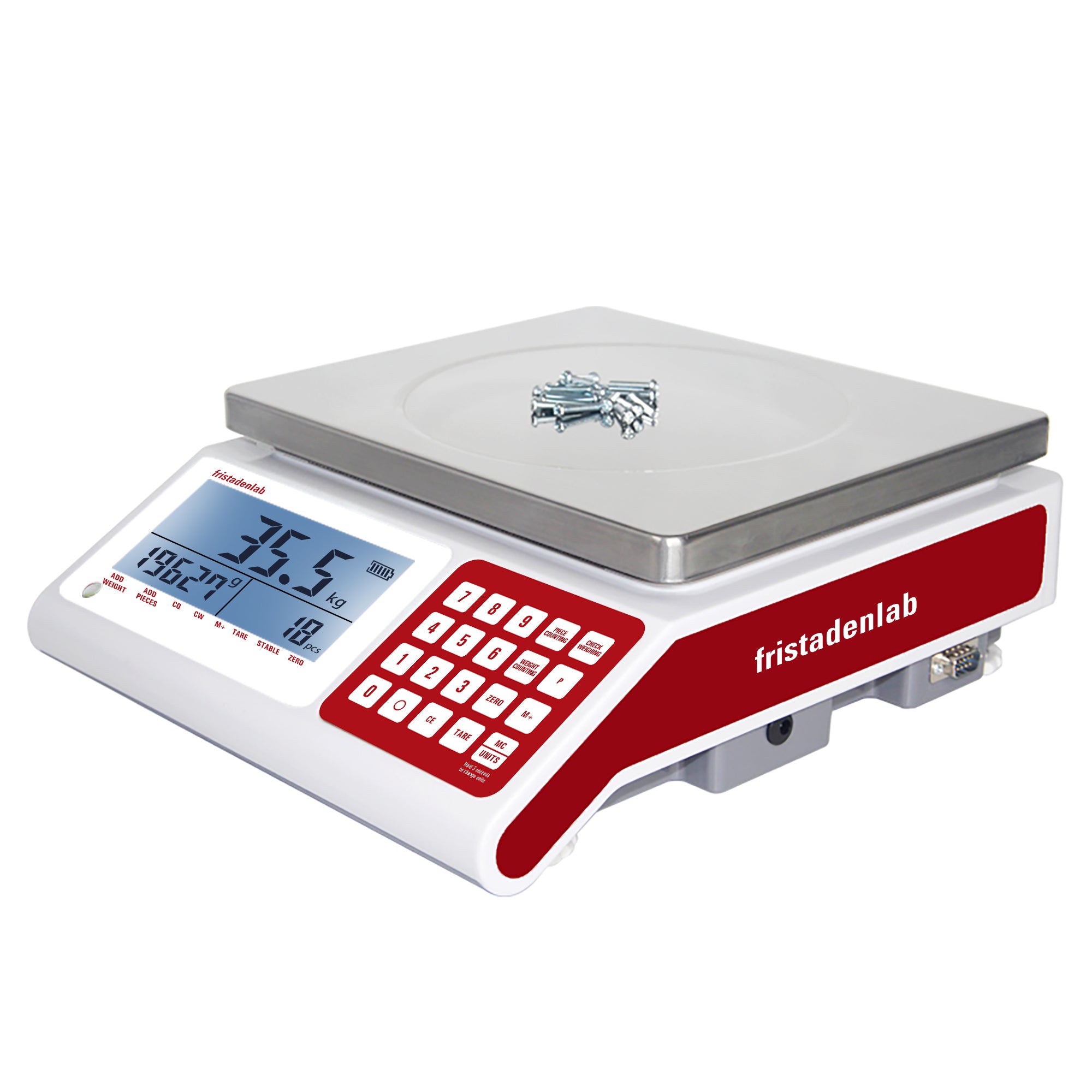
You're not measuring milligrams — you need speed, a large pan, and the ability to count hundreds of identical pieces quickly.
What you need: A Counting Scale (15kg or 30kg). Load a sample, tell the scale how many pieces are in it, and it counts the rest automatically. The large stainless steel pan fits trays, bags, or bins easily.


💍 Jewelers & Precious Metal Dealers
Weighing gold, silver, gemstones, or selling by troy ounce
You need accuracy and multiple unit options — grams, troy ounces (ozt), pennyweights (dwt), and carats (ct) all in one device.
What you need: The YP Precision Balance series or the Touchscreen Balance. Both support troy ounce, pennyweight, carat, and many other jewelry-specific units out of the box.
🌿 Botanical Extraction & Herbal Processing
Extracting plant compounds, measuring yields, or blending herb ratios
You're usually working with larger quantities (grams to kilograms) but still need reasonable precision.
What you need: Depending on your batch sizes — the YP5002 (5000g) handles larger loads while still reading to 0.01g. For smaller extraction batches, the YP1002PRO at 1000g capacity works well.
🧵 Textile & Fabric Businesses
Measuring fabric weight per square meter (GSM), calculating material usage, or quality control
This is a specialized use case. You need a balance that supports textile-specific units and ideally pairs with a GSM cutter.
What you need: The Textile Scale + GSM Cutter bundle. It reads in textile units (g/m², mm, tit, and more) and is designed specifically for this workflow.